Professional Animal Control Options: Defending Your Residence Compassionately
Expert wildlife removal services execute an essential role in sustaining a balance between human habitation and local ecosystems. By see the details concentrating on humane methods, these professionals resolve wildlife issues without causing harm. They utilize live traps and relocation strategies, ensuring the well-being of animals while protecting properties. Appreciating the importance of this approach raises questions about the effectiveness of various techniques and how they can foster coexistence. What are the most common challenges in this field?
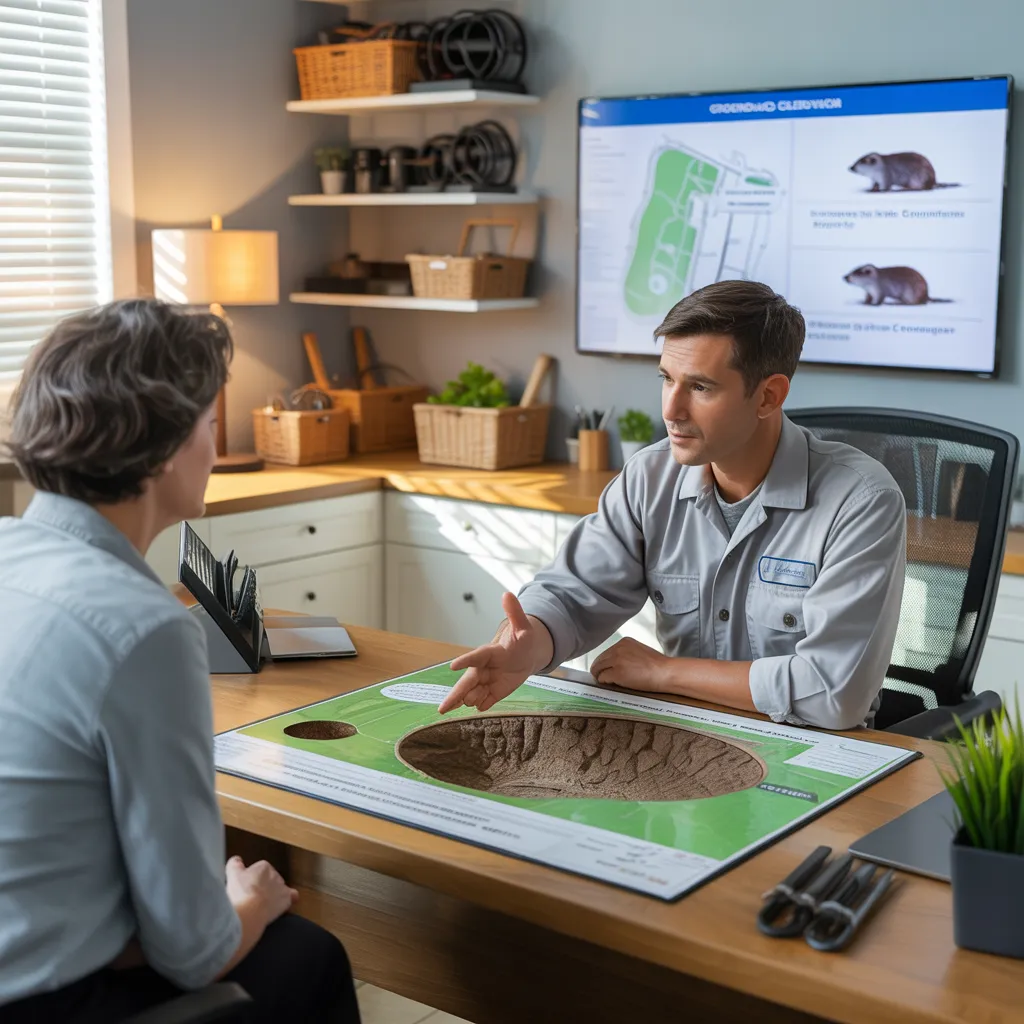
The Importance of Humane Wildlife Removal Practices
Humane wildlife removal embodies the principle of coexistence, balancing the needs of both humans and animals. This approach understands that wildlife often looks for shelter and resources in human-dominated areas, causing potential conflicts. By applying humane methods, wildlife removal services focus on the safety and welfare of animals while addressing human concerns.
These offerings specialize in non-lethal strategies such as relocation and prevention, rather than extermination. This reduces animal suffering and supports a healthy ecosystem. Furthermore, humane removal practices promote public awareness and education regarding local wildlife, fostering respect and understanding.
Communities benefit from minimized animal-related problems, ultimately creating a more harmonious relationship between humans and nature. As urban areas develop, the importance of compassionate animal removal becomes more evident, securing a sustainable coexistence that honors the intrinsic value of all living beings.
Common Wildlife Issues and Compassionate Remedies
As cities expand, different animals often move into neighborhoods, leading to common problems such as structural harm, health risks, and disruptions. Raccoons, for instance, can infiltrate attics, causing structural damage and noise. Squirrels may gnaw on wires, posing fire hazards. Additionally, deer can damage gardens and landscaping, while birds may roost in unwanted areas, raising the risk of droppings that carry diseases.
Humane solutions to these issues focus on exclusion and prevention. Installing sturdy trash bins and using raccoon-resistant bird feeders can discourage scavengers. For squirrels, sealing entry points and providing alternative nesting sites can reduce invasions. Garden modifications, such as growing deer-resistant plants, can help protect gardens. These strategies not only mitigate wildlife conflicts but also promote peaceful coexistence, ensuring both property safety and the welfare of local wildlife.
How Professionals Assess Wildlife Issues
Specialists assess wildlife problems through a structured approach that incorporates observation, evidence collection, and analysis. Initially, they carry out a thorough survey of the property, seeking for signs of wildlife presence such as droppings, tracks, or nesting materials. This physical evidence helps recognize the species involved and the extent of the problem.
Next, professionals evaluate potential entry points and environments that might draw wildlife, considering elements like nutrition availability and refuge. They also examine the property's surroundings, including grounds design and structural features, to determine any changes that can mitigate upcoming problems.
Additionally, professionals may collect data from homeowners about observations or incidents, offering valuable insight for their evaluation. By combining these various elements, pest control experts can develop a comprehensive grasp of the circumstances, guaranteeing that future steps are well-founded and successful in addressing the animal issues.
Humane Techniques for Secure Animal Removal
Employing humane approaches for wildlife removal guarantees the protection of both the animals and the environment. Professionals working in this field apply methods designed to minimize stress and harm to the creatures involved. Cage traps, for example, are commonly used to capture animals without creating damage. After being captured, wildlife is typically transported to suitable habitats away from human settlements, ensuring their welfare.
Additionally, professionals may employ exclusion techniques, such as closing off access areas, to stop future intrusions. This method focuses on modifying the environment rather than harming the wildlife. Using organic repellents, like odors or noises that deter animals from drawing near, further improves security. Informing homeowners about strategies for coexistence is also part of the humane approach, promoting regard for native animals. Overall, these methods reflect a dedication to ethical practices, reconciling people's requirements with the protection of wildlife.
How to Prevent Animal Intrusions
Preventing wildlife invasions demands proactive measures that create an environment less attractive to animals. Homeowners should begin by fastening trash bins with tight-fitting lids and storing food sources, such as pet food and birdseed, indoors or in closed storage. Additionally, gardens should be enclosed or protected with netting to deter foraging animals.
It is vital to secure potential entry points, such as gaps in roofs, walls, and foundations, using materials like steel mesh or sealant. Consistently checking and caring for buildings can help detect weak points before they turn into issues.
Landscaping choices also play a important function; going with native plants can reduce the attraction to certain wildlife. Finally, removing standing water and debris destroys habitats that attract animals. By executing these methods, property owners can greatly reduce the probability of unwelcome wildlife interactions.
The Positive Impacts of Coexisting With Local Wildlife
Existing alongside local wildlife delivers significant value, such as natural pest control through natural predators. Additionally, promoting ecological diversity enhances biological variety, contributing to environmental equilibrium. Recognizing these strengths can stimulate more positive interactions between humans and wildlife.
Natural Insect Control Benefits
By embracing local wildlife, one can boost natural pest control efforts, creating a renewable solution that helps both ecosystems and homeowners.By allowing native species such as birds, bats, and beneficial insects to flourish, properties can adequately control pest populations without pesticides.These animals often feed on insects that damage gardens and crops, minimizing pesticide use.A natural balance, when encouraged, helps keep healthy soil and promotes pollination, which is vital for plant health.Homeowners who adopt this approach may find a more resilient environment, while also contributing to the preservation of local biodiversity.In this way, coexisting with wildlife not only protects properties but also supports the health of the surrounding ecosystem.

Biodiversity Support Strategies
When homeowners recognize the worth of local wildlife, they can put in place efficient conservation approaches that cultivate a harmonious environment. Sowing native plants not only provides food and habitat for varied creatures but also enriches the charm of properties. Constructing birdhouses and bat boxes can welcome beneficial creatures that help manage pests organically. Homeowners can make water installations, such as ponds or birdbaths, to support local fauna. Additionally, limiting pesticide use and sustaining organic gardens bolsters a healthier natural system. By embracing these approaches, individuals not only bolster their properties but also help conserving local biodiversity, creating a synchronized coexistence with wildlife that supports both the natural world and the community.
Often Posed Questions
What Certifications Do Wildlife Removal Experts Typically Have?
Wildlife removal experts typically possess appropriate certifications, experience in animal behavior, knowledge of local laws, and training in humane handling techniques. Many earn degrees in wildlife biology, environmental science, or a related field, ensuring successful and ethical practices.
How Much Are Professional Wildlife Removal Services?
Professional wildlife control services commonly fall between $150 to $500, varying based on factors like the species of animal, the magnitude of the infestation, and the removal and prevention methods implemented.
Do Wildlife Removal Solutions Stay Secure Around Pets?
Wildlife extraction methods can vary in safety levels for animals. Many experts prioritize humane approaches, guaranteeing minimal risk. However, pet owners should ask concerning particular techniques employed to guarantee their animals' protection during the removal process.
What ought to I undertake While waiting for the Expert's visit?
While waiting for the expert's arrival, the homeowner should secure pets indoors, remove food sources, and seal access areas. Monitoring the situation silently ensures safety and minimizes stress for both the animals and household members.
How Can I Notify Authorities of Illegal Animal Removal Practices?
To inform officials of unlawful animal removal activities, people can reach out to local wildlife authorities or conservation agencies, providing detailed information about the situation. They may also collect evidence, such as photographs or video footage, to support their statements.